Performing arts portfolio banate waqt beginners ko aksar ye confusion hota hai ki photographs kitni honi chahiye, kaunse performance clips include karne chahiye, training ko kis tarah present karna hai aur professional experience na hone par profile ko kaise organise kiya jaye. Is guide ka focus in practical decisions ko step by step samajhne par hai, taaki aap available material ko blindly upload karne ke bajay relevant evidence select kar sako aur apni current training aur ability ko honest context ke saath present kar sako.
What Is a Performing Arts Portfolio?
Performing arts portfolio ek organised presentation hota hai jisme aap apni acting, dance, theatre, music ya kisi other performance discipline se related ability ko clearly showcase karte ho. Isme photographs, performance videos, training information, selected experience, skills aur basic professional details include ho sakti hain.
Portfolio ka purpose sirf ye batana nahi hai ki aapne kya-kya kiya hai. Iska bigger purpose viewer ko aapki current ability ka realistic idea dena hai. Jab koi teacher, casting professional, academy, theatre group ya client aapka portfolio dekhta hai, to usse relatively short time mein samajh aana chahiye ki aap kis discipline mein interested ho, kis level par practice kar rahe ho aur aapke work ka actual evidence kya hai.
Ek strong portfolio unnecessarily large nahi hota. Agar 25 average photographs ke comparison mein 3 carefully selected photographs aapki personality aur presentation ko better represent karti hain, to smaller selection zyada effective ho sakta hai. Isi tarah, 10 random performance videos upload karne ke bajay 1–3 relevant clips choose karna reviewer ke liye easier hota hai.
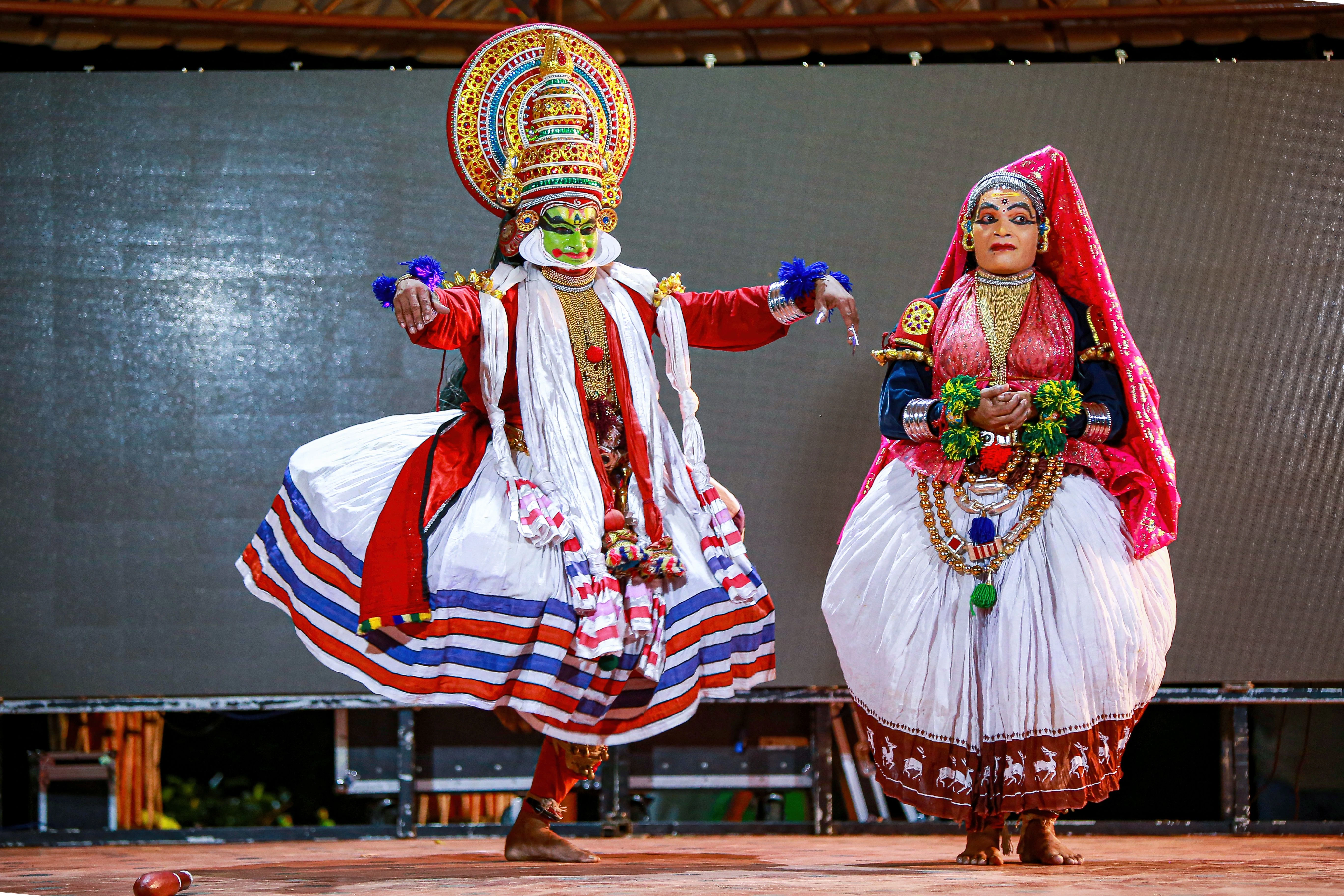
How to Build a Performing Arts Portfolio After 12th
Acting, dance, theatre ya music mein 12th ke baad aage badhne ka plan bana rahe ho, to portfolio aapke work ko organised form mein present karne ka practical tareeka hai. Is guide mein photographs, performance videos, training, resume aur online presentation ko step by step samjhein.
What Should Your Portfolio Prove?
Aapke portfolio ko indirectly kuch important questions ka answer dena chahiye: aap kya perform karte ho, aapki strongest ability kya hai, aapne kis type ki training li hai, aur aapke work ko dekhne ke liye authentic evidence kahan available hai.
Beginner ke liye “professional experience” sabse important factor nahi hota. Agar aapne recently school ya college theatre kiya hai, dance training li hai, workshops attend ki hain ya independent projects mein participate kiya hai, to unhe accurately present kiya ja sakta hai.
For example, agar aapne college theatre production mein acting ki hai, to portfolio mein production ka naam, aapka role, institution aur year clearly mention kiya ja sakta hai. “Performed in a college theatre production” jaise statement se reader ko actual experience ka context milta hai, jabki “Professional theatre artist” ek broader professional identity claim karta hai. Aisi wording tabhi use karni chahiye jab aapke paas genuinely relevant professional work, credited production ya documented experience ho. Beginner portfolio mein experience ko chhota dikhane ki zarurat nahi hai; bas uski nature aur level ko accurately describe karna important hai.
Portfolio mein consistency bhi important hai. Agar photographs ek style ki hain, resume kuch aur claim karta hai aur videos completely unrelated skills show karte hain, viewer ko clear picture nahi milti. Content ke different parts ek common professional identity create karne chahiye.
Basic Structure of a Student Performing Arts Portfolio
Student portfolio ko shuru karne ke liye complicated website, expensive photography setup ya highly designed presentation zaroori nahi hai. Pehle ek logical structure banana zyada useful hota hai jisme introduction, recent photographs, performance evidence, training, relevant skills, selected experience aur professional contact information clearly arranged ho. Jab basic material organised hota hai, tab baad mein PDF, webpage ya kisi suitable online format mein usse present karna comparatively easy ho jata hai. Design ko content par haavi karne ke bajay viewer ko relevant information tak easily pahunchane mein help karni chahiye.
1. Short Professional Introduction
Introduction 3–5 lines ka ho sakta hai. Isme naam, primary discipline, location where relevant, current training aur area of interest mention kiya ja sakta hai. Introduction ko autobiography banane ki zarurat nahi hai.
2. Recent Photographs
Photos current appearance ko accurately represent karein. Ek clear headshot aur ek suitable full-length ya three-quarter photograph basic requirement ko cover kar sakti hai. Agar kisi specific audition ne different format maanga hai, to us instruction ko priority dein.
3. Performance Evidence
Videos portfolio ka important part ho sakte hain because they allow a reviewer to see movement, expressions, voice, timing, stage presence or camera comfort. Video selection discipline ke according honi chahiye.
4. Training Background
Dance academy, acting workshop, theatre training, vocal classes, music lessons ya other relevant learning experiences ko institute, course/workshop aur approximate period ke saath mention kiya ja sakta hai. Har online certificate ko automatically professional qualification ke form mein present karna appropriate nahi hai.
5. Relevant Skills
Languages, dance styles, musical instruments, stage skills, voice skills, sports or other performance-related abilities mention ki ja sakti hain. Lekin skill list ko unnecessarily long mat banao. Sirf wahi abilities include karo jinhe aap practical situation mein demonstrate kar sakte ho.
6. Selected Experience
School productions, college festivals, theatre groups, independent short films, dance performances, competitions aur workshops relevant ho sakte hain. Experience ko chronological dumping ke bajay selected and relevant format mein present karna better hota hai.
7. Professional Contact
Ek dedicated professional email address useful ho sakta hai. Public portfolio mein unnecessary personal information jaise home address, government ID number, bank information ya private documents include nahi karne chahiye.
How to Build an Acting Portfolio After 12th
Acting portfolio mein photographs aur resume ke saath aisa performance evidence useful hota hai jisse viewer aapki expressions, dialogue delivery, body language, timing aur camera ke saamne natural behaviour ko observe kar sake. Sirf achhi-looking photograph acting ability ko explain nahi karti, isliye portfolio mein selected scene ya performance sample ka role important ho sakta hai. Beginner ke case mein bhi professional credit ki zarurat nahi hoti; ek carefully prepared monologue, student production ka scene ya controlled self-recorded performance aapke current practice level ko explain karne mein help kar sakta hai.
Choose Photographs That Look Like You
Acting ke liye photographs mein natural appearance important hai. Recent headshot mein face clearly visible hona chahiye. Excessive makeup, beauty filters, artificial skin smoothing ya dramatic editing viewer ko aapki actual appearance ka inaccurate impression de sakti hai.
Aap ek simple headshot ke saath ek natural three-quarter ya full-length photograph use kar sakte ho. Background simple rakhna generally safer hota hai because attention face aur presentation par rehti hai.
Build a Short Acting Reel
Beginner acting reel ko unnecessarily long banane ke bajay aise selected footage par focus karna chahiye jahan performance bina interruption ke clearly observe ki ja sake. Agar available material limited hai, to ek carefully recorded scene bhi starting point ho sakta hai, provided dialogue, expressions, framing aur audio understandable hon. Multiple clips tabhi add karo jab har clip koi genuinely different aspect demonstrate karta ho; sirf duration badhane ke liye similar scenes ko repeat karne se portfolio ko additional value nahi milti.
Agar aapke paas multiple suitable scenes hain, to contrasting performances choose ki ja sakti hain—for example, ek conversational scene aur ek emotionally different scene. Lekin contrast ka matlab random clips jodna nahi hai. Har clip ka purpose hona chahiye.
Dialogue Recording Mein Kin Cheezon Par Focus Karein?
Voice clear honi chahiye aur background noise minimum ho. Dialogue ko sirf loud bolna acting quality nahi banata. Pauses, expressions, listening reaction, body language aur scene ki emotional requirement bhi visible honi chahiye.
Phone se recording karte waqt camera ko stable surface ya tripod par rakhna useful hai. Window light ya soft front lighting face ko clearly illuminate kar sakti hai. Recording se pehle 10–15 second ka test clip bana kar audio aur framing check kar lena simple but effective step hai.
How to Build a Dance Portfolio
Dance portfolio ka useful performance sample woh hota hai jahan movement ko bina unnecessary obstruction ke observe kiya ja sake. Choreography ya costume presentation ka ek part ho sakte hain, lekin recording mein rhythm, coordination, movement control, technique aur performance quality bhi clearly visible rehni chahiye. Isi liye dance clip select karte waqt sirf ye nahi dekhna chahiye ki video visually attractive lag raha hai; ye bhi check karo ki camera position, available space aur lighting ki wajah se actual movement samajhne mein koi difficulty to nahi aa rahi.
Full-Body Framing Is Important
Dance recording mein camera angle aisa rakho jahan complete movement visible rahe. Agar feet repeatedly frame se bahar ja rahe hain, camera bahut close hai ya recording ke dauran framing change ho rahi hai, to performance evaluate karna difficult ho sakta hai.
Lighting and Background
Good lighting ka matlab expensive studio setup nahi hai. Aisi jagah choose karo jahan face aur body clearly visible ho. Background unnecessarily crowded na ho. Floor bhi visible hona useful ho sakta hai because footwork aur movement range samajhne mein help milti hai.
Different Dance Styles Kab Add Karein?
Agar aap genuinely multiple styles practice karte ho, to selected clips se versatility show ki ja sakti hai. For example, classical training ke saath contemporary ya Bollywood choreography ka genuine experience ho to relevant clips include kiye ja sakte hain.
Lekin sirf portfolio ko impressive banane ke liye kisi style ko “skilled” label mat karo jisme aapne proper practice nahi ki. Beginner level exposure aur trained ability ko clearly distinguish karna professional presentation ka part hai.
How to Present Theatre Experience
Theatre experience ko simple format mein present kiya ja sakta hai: production name, role, organisation or college, year and your contribution. Agar aapne acting ke saath backstage, direction, script reading ya stage management bhi kiya hai, to relevant role separately mention kiya ja sakta hai.
Theatre portfolio mein photographs useful ho sakti hain, lekin sirf group photos ka collection bana dena enough nahi hai. Agar possible ho to ek clear performance photograph ke saath production ka short context provide karein.
How to Include Music in a Performing Arts Portfolio
Singing ya instrumental music ke portfolio mein audio quality particularly important hoti hai, kyunki recording hi viewer ko voice, instrument, timing aur performance control observe karne ka primary opportunity deti hai. Excessive background music, heavy effects ya unnecessary noise actual performance ko mask kar sakte hain, isliye recording ko clean aur understandable rakhna useful hai. Agar aapke paas live-performance aur controlled recording dono available hain, to dono ka purpose alag ho sakta hai: live clip stage interaction ya performance setting dikhata hai, jabki cleaner sample voice ya instrumental quality ko more clearly present kar sakta hai.
Vocalist ke case mein selected clips diction, control, expression aur suitable vocal range ko represent kar sakte hain, jabki instrumentalist technically representative piece ke saath performance-oriented sample include kar sakta hai. Har clip ko actual training aur current level ke according choose karo. Aisa material add karne ki zarurat nahi jo sirf profile ko बड़ा dikhane ke liye ho; limited but relevant samples viewer ko portfolio ki direction samajhne mein zyada help karte hain.
What If You Have No Professional Experience?
After 12th portfolio banate waqt sabse common concern hota hai ki “mere paas professional experience nahi hai, to main dikhau kya?” Is situation mein portfolio ko achievements se fill karne ki koshish karne ke bajay apni current ability aur learning journey ko clearly present karna better approach hai.
School productions, college theatre, dance performances, music events, workshops, competitions, self-recorded practice scenes aur independent projects bhi useful evidence ban sakte hain. In activities ki value tab badhti hai jab unhe proper context ke saath present kiya jaye.
For example, agar aapne college festival mein ek theatre production mein acting ki hai, to production ka naam, aapka role aur year mention kiya ja sakta hai. Agar koi professionally released project nahi hai, to usse professional film credit ke roop mein present karne ki zarurat nahi hai.
Aap ek controlled environment mein apna short performance sample bhi create kar sakte ho. Acting student ke liye monologue, dancer ke liye carefully recorded choreography aur singer ke liye clean vocal recording useful starting material ho sakta hai.
Beginner portfolio ka objective ye prove karna nahi hota ki aap already established artist ho. Iska objective ye dikhana hai ki aap serious ho, practice kar rahe ho aur aapki current capability ko objectively evaluate kiya ja sakta hai.
How to Choose Between Multiple Performance Videos
Portfolio mein video add karte waqt “mere paas bahut saare clips hain” ko selection ka reason nahi banana chahiye. Har recording ka ek specific purpose hona chahiye. Viewer ko repeatedly same performance dekhne ke bajay different strengths samajh aani chahiye.
Sabse pehle technical quality dekho. Kya face ya complete body clearly visible hai? Kya voice understandable hai? Kya camera unnecessarily shake nahi kar raha? Kya background performance se attention nahi chura raha?
Uske baad performance value compare karo. Kabhi-kabhi technically perfect recording mein performance average hoti hai, jabki simple phone recording mein artist ki ability much better visible hoti hai. Portfolio ke liye second type ka clip zyada useful ho sakta hai.
Teen almost-identical dance recordings upload karne ke bajay strongest version select karna generally better hai. Lekin agar different videos genuinely different abilities demonstrate karte hain—jaise acting scene, dance performance aur stage presentation—tab multiple clips meaningful ho sakte hain.
Video Selection Ka Simple Decision Method
Har clip ko dekhte waqt ye socho: “Agar reviewer sirf ye ek video dekhe, to kya use meri relevant ability samajh aayegi?” Agar answer no hai, to video ko portfolio mein include karne se pehle improve ya replace karna better hai.
Video duration bhi opportunity ke according rakho. Specific audition instructions available hain to unka exact duration aur format follow karo. General portfolio ke case mein unnecessarily long recording se better hai ki strongest portion clearly presented ho.
Portfolio Design: Simple, Clean and Easy to Review
Portfolio ka design attention capture karne ke liye nahi, information ko easily understand karwane ke liye hota hai. Performing artist ka work centre mein rehna chahiye; background graphics aur decorative effects secondary hone chahiye.
Readable typography, consistent headings, adequate spacing aur properly organised sections ek professional impression create karte hain. Har page par different font use karna, excessive animation lagana ya unnecessary decorative elements add karna presentation ko cluttered bana sakta hai.
Colour selection bhi restrained rakhna useful hota hai. Ek primary colour aur ek supporting shade enough ho sakte hain. Agar photographs already colourful hain, to neutral layout unhe better highlight kar sakta hai.
Digital Portfolio Ko Test Karna
Portfolio final share karne se pehle desktop aur mobile dono par open karke dekho. Video links work kar rahe hain ya nahi, images properly load ho rahi hain ya nahi aur text cut to nahi ho raha—ye basic checks important hain.
Agar PDF use kar rahe ho, to file size itna large na rakho ki recipient ko open karne mein difficulty ho. Embedded videos ki jagah reliable links use karna practical ho sakta hai, provided permissions aur privacy settings correctly configured hon.
Digital portfolio ko test karte waqt sirf broken links aur image loading check karna enough nahi hai. Video behaviour bhi dekhna chahiye, especially agar page par multiple media samples hain. Autoplay audio ko avoid karna practical ho sakta hai, kyunki viewer portfolio ko classroom, office, library ya kisi public environment mein open kar sakta hai. Better experience ke liye video ko user-controlled playback ke saath rakho aur ensure karo ki important performance information audio start hone se pehle kisi distracting animation ya unnecessary media behaviour ke peeche hide na ho.
How to Tailor a Portfolio for Different Opportunities
Har opportunity ke liye completely new portfolio banana necessary nahi hai. Aap ek master portfolio maintain kar sakte ho aur usme se relevant sections ko opportunity ke according highlight kar sakte ho.
Acting audition mein expressions, dialogue delivery aur camera presence important ho sakte hain. Dance academy application mein technique, movement control aur performance quality ko greater importance mil sakti hai. Theatre opportunity mein stage experience aur character work relevant ho sakta hai.
Isi wajah se portfolio ka opening section bhi situation ke according adjust kiya ja sakta hai. Agar recruiter specifically theatre actors dekh raha hai, to theatre-related experience ko unnecessarily neeche hide karna useful nahi hoga.
One Portfolio, Multiple Versions
Ek practical workflow ye ho sakta hai ki saare genuine photographs, videos, training records, credits aur resume information ko ek organised master folder mein maintain kiya jaye. Us master material se opportunity ke according separate versions prepare kiye ja sakte hain, jaise acting audition ke liye acting-focused selection, dance application ke liye movement-based clips ya theatre opportunity ke liye stage experience ko prominently rakhna. Is system se har baar portfolio zero se banane ki zarurat nahi padti, aur irrelevant material accidentally send hone ka chance bhi kam hota hai.
Isse ek benefit ye hota hai ki har application mein irrelevant material send nahi hota. Dusra benefit ye hai ki aap kisi specific requirement ko miss karne ke chances kam kar dete ho.
Portfolio Review: What to Check Before Sharing
Portfolio complete karne ke baad ek final review sirf spelling ya design ke liye nahi hona chahiye. Is stage par ye dekhna useful hai ki jo material aapne select kiya hai, woh aapki current profile ko accurately represent karta hai ya nahi. Photograph recent hai, performance clip clearly audible hai, dance recording mein complete movement visible hai, resume ki dates consistent hain aur contact information accessible hai—ye sab practical checks final presentation ko more reliable banate hain.
Ek aur useful check ye hai ki portfolio ko kisi aise person ke saamne open karke dekho jo aapke existing work ke baare mein already sab kuch nahi jaanta. Usse bina explanation ke dekhne do ki first few minutes mein kya samajh aata hai. Agar woh primary discipline, relevant training aur performance samples easily identify kar leta hai, to structure understandable hai. Agar usse repeatedly poochna pad raha hai ki kaunsa video dekhna hai ya experience section ka meaning kya hai, to navigation aur wording ko simplify karna useful ho sakta hai.
Common Portfolio Mistakes That Can Weaken Your Presentation
Strong performance ke bawajood portfolio weak lag sakta hai agar selection aur presentation careless ho. Beginners ke case mein ye problem particularly common hoti hai because woh har available material ko useful samajhkar add kar dete hain.
Too Much Material
Har certificate, har rehearsal photo aur har old performance ko include karne se reviewer ko important work identify karne mein extra time lagta hai. Better approach ye hai ki strongest and most relevant examples ko priority di jaye.
Outdated Photographs
Portfolio ki photograph aapki current appearance ko reasonably represent karni chahiye. Agar appearance significantly change ho chuki hai, to several years old photograph ko primary image banana confusing ho sakta hai.
Poor Audio Quality
Acting aur singing portfolio mein poor audio particularly damaging ho sakta hai. Background traffic, loud fan, echo ya music ke andar buried voice performance ko judge karna difficult bana sakti hai.
Unclear Contact Information
Portfolio dekhne ke baad interested person ko next step clear hona chahiye. Professional email ya appropriate contact method easily visible rakho. Contact information ko hidden page ya extremely small text mein rakhna unnecessary friction create karta hai.
Unrelated Achievements
Every achievement portfolio mein add karna necessary nahi. Agar koi certificate ya award performing arts profile se connected nahi hai, to uska space kisi relevant training detail ya performance sample ko dena more useful ho sakta hai.
How to Make Your Portfolio More Credible
Portfolio ki credibility tab naturally develop hoti hai jab usme likhi information aur attached evidence ek doosre se match karte hain. Agar aap training, theatre experience, dance practice, music performance ya workshop participation mention karte ho, to us claim ko relevant details ke through context diya ja sakta hai. Iska matlab ye nahi ki har statement ke saath certificate attach karna zaroori hai; point sirf itna hai ki portfolio mein jo professional impression create kiya ja raha hai, woh actual experience ke level se consistent hona chahiye.
For example, agar aap “trained classical dancer” likhte ho, to training institution, approximate duration ya relevant performance experience provide kiya ja sakta hai. Agar training informal hai, to wording bhi uske according honi chahiye.
Experience ko describe karte waqt reasonable dates aur context reader ko aapki journey samajhne mein help karte hain. “Many theatre performances” jaise broad statement ki jagah “Participated in college theatre productions during 2025–26” likhne se activity ka approximate period clear ho jata hai. Agar exact date ya production detail available nahi hai, to information ko guess karne ke bajay month, year ya broader period mention karo. Isse resume aur portfolio ke different sections mein information consistent rakhna bhi easier hota hai.
“Excellent dancer”, “highly talented actor” ya “professional-level performer” jaise subjective labels reader ko actual ability ke baare mein limited information dete hain. In labels ko repeatedly use karne ke bajay relevant performance evidence, training details aur selected work samples provide karna zyada informative hota hai. Agar dance portfolio mein ek clear full-body performance clip available hai, to viewer movement aur presentation ko khud observe kar sakta hai. Isi principle ko acting, theatre aur music ke material par bhi apply kiya ja sakta hai: claim ko unnecessarily strong banane ke bajay evidence ko clearly present karo.
Privacy and Safety for Young Performers
Public-facing portfolio banate waqt professional information aur private information ke beech clear boundary rakhna important hai. Contact ke liye dedicated email address use kiya ja sakta hai, jabki personal phone number, exact home address ya other private details ko public page par unnecessarily display karne ki zarurat nahi hoti. Student portfolio mein sirf wahi information share karo jo actual application, audition ya professional communication ke purpose ke liye relevant ho. Agar kisi organisation ko additional documents ki zarurat ho, to unhe public portfolio mein upload karne ke bajay appropriate official communication channel use karna safer approach hai.
Government identification documents, bank details, passwords, exact residential address ya other sensitive records ko portfolio mein include nahi karna chahiye. Agar kisi legitimate organisation ko verification ke liye documentation chahiye, to woh information appropriate official process ke through share karna better hai.
Online auditions ke case mein opportunity ko independently verify karo. Official website, verified organisational profile, previous productions aur publicly available contact information cross-check ki ja sakti hai.
Agar koi unknown person selection guarantee karne ke naam par immediate payment maangta hai, unnecessary private documents demand karta hai ya unusual urgency create karta hai, to bina verification ke आगे proceed karna sensible nahi hai.
How to Improve Your Portfolio After Every Opportunity
Portfolio ko ek fixed document ke bajay evolving professional record samjho. Har new project automatically portfolio mein add karna necessary nahi hai. Pehle dekho ki naya material existing content se genuinely better evidence provide karta hai ya nahi.
Agar aapne better-quality acting scene record kiya hai, to weaker old clip ko replace kiya ja sakta hai. Agar new theatre production mein meaningful role mila hai, to selected experience section update kiya ja sakta hai.
Feedback Ko Useful Information Mein Convert Karein
Agar teacher, director ya mentor repeatedly kisi specific area par feedback deta hai, us observation ko seriously analyse karo. For example, agar expressions strong hain lekin dialogue delivery weak hai, to next recording mein voice clarity aur pacing par focused practice ki ja sakti hai.
Isi tarah, agar dance performance technically strong hai lekin recording mein feet repeatedly frame se bahar ja rahe hain, camera angle movement ko cut kar raha hai ya available space properly visible nahi hai, to portfolio mein problem performance se zyada presentation setup ki ho sakti hai. Aise case mein artist ko performance repeat karne se pehle camera distance, tripod position aur available recording space ko adjust karke naya sample test karna chahiye.
Is tarah portfolio sirf aapki achievements ka record nahi rehta. Ye aapki progress ko bhi reflect karta hai. Stronger material gradually replace karte rehne se final presentation current ability ke closer rehti hai.
When Should You Remove Something From Your Portfolio?
Portfolio mein addition se zyada important kabhi-kabhi removal hota hai. Agar koi clip outdated hai, current skill level ko accurately represent nahi karta, poor technical quality rakhta hai ya better replacement available hai, to usse archive karna sensible ho sakta hai.
Agar koi achievement performing arts profile se directly connected nahi hai, ya uska context itna unclear hai ki viewer uski relevance samajh nahi pa raha, to sirf portfolio ko lengthy dikhane ke liye use retain karna useful nahi hai. Us space ko relevant training, selected performance evidence ya clearly explained experience ko dena better ho sakta hai. Portfolio ka size badhana objective nahi hona chahiye; har item ka purpose viewer ko aapki current direction ya ability samajhne mein help karna hona chahiye.
Ek useful rule ye hai: har item ko apni jagah justify karni chahiye. Agar kisi photograph, video, certificate ya paragraph ko dekhkar aap clearly explain nahi kar sakte ki ye viewer ke decision ko kya useful information deta hai, to us item ko reconsider karo.
A Practical Example of a Strong Beginner Portfolio
Us portfolio mein ek recent headshot, ek natural full-length photograph, short introduction, acting workshop details, two selected theatre credits, one strong acting scene, one dance clip, language information aur professional email enough foundation create kar sakte hain.
Is structure mein viewer ko ek clear story milti hai: student beginner hai, training kar chuka hai, stage experience rakhta hai aur performance evidence available hai. Ye fabricated professional history create karne se zyada credible presentation hai.
Final Portfolio Quality Check
Final submission se pehle portfolio ko ek outsider ki nazar se dekho. Kya first screen se discipline clear hai? Kya strongest work easily mil raha hai? Kya videos actually open ho rahe hain? Kya photographs current hain? Kya resume mein claims accurate hain? Kya contact method professional hai?
Agar kisi section ko samajhne ke liye viewer ko unnecessary effort karna pad raha hai, structure simplify karo. A good portfolio ka objective reviewer ko impress karne ke liye information overload create karna nahi, balki relevant ability ko clear evidence ke saath present karna hai.
How to Include Music in a Performing Arts Portfolio
Singers aur instrumentalists ke liye audio quality bahut important hai. Voice/instrument ko clearly capture karne wali recording use karo.Agar possible ho to ek simple live-performance clip aur ek cleaner recorded sample rakho. Background music itna loud na ho ki actual performance hide ho jaye.
How to Record a Performing Arts Portfolio Video
Performance video select karna aur performance video record karna do alag steps hain. Selection mein aap existing clips mein se relevant material choose karte ho, jabki recording ke stage par aap location, camera position, lighting, audio aur framing ko control kar sakte ho. Agar existing material portfolio requirement ko properly cover nahi karta, to ek fresh recording banana useful ho sakta hai. Iska purpose flashy production create karna nahi, balki performance ko clear, stable aur reasonably natural form mein capture karna hona chahiye.
Recording start karne se pehle location, camera posit, agar dance performance mein technique achhi haiion, lighting aur audio ko test kar lena useful hota hai. Ek 10–15 second ka trial clip bana kar dekh lo ki face properly visible hai, complete movement frame mein aa rahi hai aur voice understandable hai.
Choose the Recording Environment Carefully
Room, hall ya outdoor location aisi choose karo jahan unnecessary traffic, loud conversations, fans ya background music minimum ho. Acting aur singing ke liye clear audio particularly important hai, jabki dance recording mein open space aur unobstructed floor zyada useful hota hai.
Set the Camera According to Your Discipline
Acting ke liye camera ko generally eye-level ke around rakhna natural perspective provide karta hai. Dance ke case mein camera sufficiently far hona chahiye taaki head se feet tak complete movement visible rahe. Music performance mein framing instrument aur performer dono ko clearly show kar sakti hai.
Prioritise Performance Over Editing
Transitions, dramatic effects aur background music performance ki weakness ko hide nahi kar sakte. Portfolio sample mein actual expressions, timing, movement control, voice quality aur stage presence clearly visible rehni chahiye.
Keep the Viewer in Mind
Ek complete rehearsal ko bina editing ke upload karne ke bajay strongest portion choose karo. Agar performance mein long pauses, repeated attempts ya technical interruptions hain, to unhe remove kiya ja sakta hai, provided editing performance ko misleadingly alter na kare.
How to Write a Performing Arts Resume
Performing arts resume traditional corporate CV se thoda different ho sakta hai. Iska objective relevant artistic background ko quickly communicate karna hai, isliye unnecessary paragraphs aur unrelated information se page bharna useful nahi hota.
Start With a Clear Identity
Top section mein name, primary discipline aur relevant professional contact information rakho. Agar aap acting ke saath dance ya music bhi professionally pursue karte ho, to secondary skills ko clearly separate kiya ja sakta hai.
Training and Workshops
Training details mein institute, course or workshop name aur year/duration mention ki ja sakti hai. Short-term workshop ko long-term formal training ke equivalent present nahi karna chahiye.
Performance Credits
Selected productions ko role, production name, organisation/college aur year ke format mein list karna readable hota hai. Beginner ke case mein school aur college productions bhi relevant ho sakti hain jab unhe accurately labelled kiya gaya ho.
Skills Section
Languages, dance forms, instruments, voice skills, stage abilities ya other relevant competencies add ki ja sakti hain. “Expert” ya “professional” jaise labels tabhi use karo jab actual training aur experience us level ko support karte hon.
Agar formal experience abhi limited hai, resume ko achievements ke naam par artificial claims se fill karne ke bajay training, student productions, workshops aur genuine projects ko properly organise karna better hai.
What Photos Should You Use?
Portfolio photograph ka first job attractive dikhna nahi, balki aapki current appearance ko clearly represent karna hai. Viewer ko image dekhkar easily recognise hona chahiye ki photograph recent hai aur excessively altered nahi hai.
Headshot
Ek clear headshot mein face properly visible hona chahiye. Simple background aur balanced lighting usually subject ko prominent rakhte hain. Expression opportunity ke nature ke according neutral ya naturally expressive ho sakta hai.
Full-Length or Three-Quarter Photograph
Dance aur stage-oriented profiles mein full-length image useful ho sakti hai. Acting profile mein three-quarter photograph body language ka additional sense provide kar sakti hai.
Clothing and Styling
Clothing clean aur context-appropriate honi chahiye. Portfolio photograph ko fashion photoshoot banane ki zarurat nahi. Goal ye hai ki attention performer par rahe rather than distracting props, excessive accessories ya complicated background par.
Editing Ka Right Balance
Brightness, exposure aur minor cropping jaise corrections normal hain. Lekin facial structure, skin texture, body shape ya other identifying features ko significantly alter karna avoid karo. Portfolio ko real-world appearance ke saath reasonably consistent rehna chahiye.
How to Organise the Portfolio Online
Online portfolio ka format aapke purpose aur audience par depend kar sakta hai. Aap dedicated webpage, well-structured PDF, organised cloud folder ya suitable portfolio platform use kar sakte ho.
Format se zyada important navigation hai. Viewer ko immediately samajh aana chahiye ki photographs kahan hain, performance samples kaunse hain, resume kahan hai aur contact kaise karna hai.
Use Meaningful File Names
Online portfolio organise karte waqt file naming bhi practical detail hai, kyunki random names baad mein photographs, videos aur documents identify karna difficult bana sakte hain. “IMG_7821.jpg” ya “video_final_new2.mp4” jaise names ki jagah descriptive names use karo, jisse file ko folder khole bina bhi samjha ja sake. For example:
Name_Theatre_Credit_2026.pdf
Name_Dance_Performance.mp4
Aise naming system se files ko update, share aur replace karna easier hota hai, especially jab portfolio mein multiple versions maintain kiye ja rahe hon. Saath hi, personal documents aur portfolio material ko alag folders mein rakhna useful hai, taaki kisi public sharing link ke through unrelated private files accidentally accessible na ho jayein.
Check Sharing Permissions
Cloud-based portfolio ka link bhejne se pehle private/incognito browser mein test karna useful hai. Agar recipient ko login permission, access request ya broken link mil raha hai, to technically good portfolio bhi inaccessible ho sakta hai.
Common Portfolio Mistakes That Reduce Impact
Portfolio ki quality sirf photographs aur videos par depend nahi karti. Small presentation problems bhi viewer ke experience ko affect kar sakti hain.
Using Material That No Longer Represents You
Bahut purani photographs ya beginner-level recordings ko primary material banane se current ability properly communicate nahi ho sakti. Old work tab retain karein jab woh kisi meaningful achievement ya progression ko demonstrate karta ho.
Trying to Look More Experienced Than You Are
Fake credits, inflated job titles aur unverified achievements avoid karo. Performing arts mein references aur auditions ke through claims verify ho sakte hain, isliye accurate information long-term mein safer hai.
Showing Every Skill at Once
Acting, dance, singing, modelling, writing, photography aur dozens of other skills ek hi profile mein expert-level claim karne se positioning unclear ho sakti hai. Primary discipline ko clearly establish karo aur additional abilities ko supporting skills ke roop mein present karo.
Ignoring Technical Quality
Excellent performance bhi difficult to evaluate ho sakti hai agar face dark hai, voice inaudible hai, camera continuously shake kar raha hai ya dancer frame se repeatedly bahar ja raha hai.
Missing the Next Step
Portfolio dekhne ke baad interested person ko contact karne ka clear method milna chahiye. Professional email ya appropriate contact channel easily accessible rakho.
A 7-Day Plan to Build Your First Portfolio
Portfolio ko ek hi sitting mein complete karne ki koshish karne ke bajay seven-day process mein divide karna beginner ke liye manageable ho sakta hai. Har day ka focus ek specific output par rakho.
Day 1 — Define Your Direction
Sabse pehle primary discipline choose karo: acting, dance, theatre, music ya combination. Phir decide karo ki portfolio kis purpose ke liye ban raha hai—academy admission, audition, college opportunity, workshop, freelance work ya general professional introduction.
Is stage par apne existing photographs, videos, certificates, training records aur performance credits ko ek temporary folder mein collect karo. Abhi kuch publish karne ki zarurat nahi.
Day 2 — Evaluate Your Existing Material
Har photograph, video aur document ko current appearance, technical quality, relevance aur performance value ke basis par review karo. Jo material outdated, unclear, technically weak ya current direction se unrelated hai, usse final portfolio se alag folder mein move kar do. Isi review ke dauran ye bhi identify karo ki kya important material missing hai, jaise recent headshot, proper full-body dance recording, clean vocal sample ya updated performance resume. Missing items ki list bana kar unke liye separate recording ya documentation plan prepare karo, taaki final portfolio incomplete material ke pressure mein assemble na karna pade.
Day 3 — Build Your Professional Information
Short introduction aur performing arts resume ko ek saath prepare karo, aur name, primary discipline, training, selected experience, relevant skills aur professional contact information ko consistent format mein organise karo. Isi stage par dates, production names, workshop details aur credits ko verify kar lena useful hai. Jo information confirm nahi hai usse guess karke add na karo; incomplete detail ko honestly describe karna fabricated information se safer aur portfolio ki overall credibility ke liye more appropriate hai.
Day 4 — Record the Main Performance Sample
Recording day par location, camera position, lighting aur audio ko pehle test karo aur zarurat ho to multiple takes record karo. Acting sample mein dialogue clarity, expressions aur natural delivery visible rehni chahiye; dance recording mein complete movement frame ke andar hona chahiye; aur music sample mein voice ya instrument background sound ke neeche दबना nahi chahiye. Final selection mein wahi take use karo jo performance ko technically clear rakhte hue actual ability ko honestly represent karta ho, na ki sirf woh version jo editing ke baad sabse polished dikhta ho.
Day 5 — Edit With a Purpose
Editing ka objective flashy video banana nahi hai. Unnecessary pauses, failed takes aur technical interruptions remove karo. Strongest portion ko beginning ke relatively close rakhna useful ho sakta hai because viewer ko relevant material tak pahunchne mein less time lagta hai.
Day 6 — Assemble and Test
Photos, resume aur videos ko logical order mein arrange karo. Links, permissions, file names aur mobile display test karo. Portfolio ko kisi different device ya browser par open karke dekhna hidden technical issues identify kar sakta hai.
Day 7 — Get an Outside Perspective
Ek teacher, mentor ya trusted person ko portfolio dikhao aur specifically poochho: “Aapko first impression mein meri strongest skill kya samajh aayi?” aur “Kahan confusion hua?”
Generic “achha hai?” ke comparison mein specific questions zyada useful feedback generate karte hain. Final version mein wahi changes karo jo actual clarity ya presentation improve karte hain.
How to Know When Your Portfolio Is Ready
Portfolio ready tab maana ja sakta hai jab viewer ko bina explanation ke aapka primary discipline samajh aaye, strongest performance sample easily accessible ho, information accurate ho aur contact process straightforward ho.
Ek useful final test ye hai ki portfolio kisi friend ko bhejo aur usse bina verbal explanation ke open karne do. Agar woh independently samajh paata hai ki aap kya karte ho, aapka current level roughly kya hai aur relevant work kahan dekhna hai, to structure likely clear hai.
Final Takeaway
A strong performing arts portfolio expensive studio, premium camera ya complicated website se automatically nahi banta. Uski real strength relevant material ki selection, authentic information, thoughtful presentation aur clear performance evidence mein hoti hai.
Beginner ke liye bhi ek meaningful portfolio possible hai. Aapke paas professional credits kam ho sakte hain, lekin genuine training, student productions, practice work aur carefully recorded performances se ek credible starting profile develop ki ja sakti hai.
Time ke saath portfolio ko replace aur refine karte rehna natural process hai. Jaise-jaise performance level improve hota hai, older material ki jagah stronger evidence aata hai. Is approach se portfolio sirf ek application document nahi rehta; ye aapke artistic development ka organised record bhi ban jata hai.
Remember: Portfolio ki usefulness uske material ki quantity se decide nahi hoti. Relevant photographs, selected performance evidence, genuine training details aur clear professional information ko logically organise karna zyada important hai. Jab har item ka purpose understandable ho aur information current experience ke saath consistent ho, to beginner bhi apni profile ko clear aur honest way mein present kar sakta hai.Books That Can Help You Develop Your Performing Arts Skills
A portfolio sirf photographs aur performance clips se strong nahi hota. Acting, theatre, movement aur performance skills ko regular practice, observation aur structured learning se gradually improve kiya ja sakta hai. Agar aap performing arts ko seriously explore kar rahe hain, to books practice aur self-learning ke liye useful supplementary resources ho sakti hain.
The Actor's Life: A Survival Guide
Acting ko professionally understand karne wale students ke liye useful reading. Auditions, preparation aur actor ke practical working life ko samajhne ke liye reference ke roop mein use ki ja sakti hai.
Check on Amazon →An Actor Prepares
Acting training aur character preparation ke fundamentals ko explore karne ke liye widely known resource. Theatre aur acting students isse practice-based learning ke supplementary material ke roop mein consider kar sakte hain.
Check on Amazon →The Power of the Actor
Acting exercises, preparation aur performance approach ko explore karne ke liye ek additional resource. Beginners is type ki book ko practical exercises ke saath use kar sakte hain.
Check on Amazon →The Intent to Live
Acting mein emotional understanding, character work aur performance preparation ko explore karne ke liye useful supplementary reading. Isse portfolio ke replacement ke bajay skill-development resource ke roop mein use karna better hai.
Check on Amazon →Why You Can Use This Performing Arts Guide
Career aur portfolio decisions mein generic advice se zyada useful practical information hoti hai. Is guide ko students aur beginners ko dhyan mein rakhkar develop kiya gaya hai, taaki performing arts portfolio banate waqt unhe presentation, performance evidence, training, privacy aur professional communication ke important aspects ek hi place par samajh aayein.
People-First Information
Content ka focus search engines ke liye unnecessary text badhana nahi, balki students ke practical questions ko clearly explain karna hai. Examples aur recommendations ko real-world use ke context mein present kiya gaya hai.
Clear About Experience
Beginners ko fake credits, exaggerated achievements ya unverified professional claims add karne ki recommendation nahi di jaati. Training aur experience ko accurately represent karna long-term credibility ke liye important hai.
Information Should Be Verified
Audition requirements, admission rules, fees, deadlines, organisation details aur other time-sensitive information change ho sakti hai. Aise details ke liye relevant official source ko final reference maana jaana chahiye.
Privacy Matters
Students ko public portfolio mein government IDs, financial information, exact residential address aur unnecessary private details publish na karne ki practical guidance di gayi hai.
Editorial Approach
Hum educational and career topics ko simple language mein explain karne ki koshish karte hain, lekin every situation same nahi hoti. Admission, audition, employment ya training decision lene se pehle reader ko relevant institution, organiser or official authority se current requirements confirm karni chahiye.
This page is intended for general educational guidance. It does not guarantee audition selection, admission, employment or professional success.
Explore Performing Arts Institutions and Resources
Performing arts mein career explore karte waqt sirf acting, dance ya stage performance ke baare mein padhna hi kaafi nahi hota. Students ko training institutions, cultural organisations aur unke kaam ko samajhna bhi useful lag sakta hai. Neeche diye gaye official resources se aap theatre education aur Indian performing arts se judi activities ke baare mein additional information dekh sakte hain.
National School of Drama (NSD)
Theatre aur acting ko seriously pursue karne wale students National School of Drama ki website se institution, theatre training aur available educational opportunities ke baare mein information explore kar sakte hain. Agar aap formal theatre education consider kar rahe hain, to admission announcements, eligibility conditions, selection process aur training details ko dhyan se check karein.
Visit National School of Drama →Sangeet Natak Akademi
Music, dance aur drama mein interest rakhne wale students Sangeet Natak Akademi ki website par Indian performing arts se judi cultural activities, institutional initiatives aur related announcements ke baare mein jaan sakte hain. Is resource ko explore karne se students ko performing arts ke broader cultural context ko samajhne mein madad mil sakti hai. Kisi specific programme ya opportunity ke liye uski published details alag se verify karein.
Explore Sangeet Natak Akademi →