Why Choose Diploma & Skill Courses After 12th?
After completing 12th, almost every student reaches a point where decisions feel confusing. Some students are pushed towards traditional degree courses, while others are told to focus on “job-oriented” options. In this situation, it becomes difficult to understand what actually makes more sense for the future.
Diploma and skill-based courses have become popular because they focus more on practical learning instead of only theoretical study. This means students don’t just read concepts, they actually learn how to apply them in real-life situations, which is very important in today’s job market.
Another important reason students consider these courses is time. Unlike long degree programs, skill-based courses often allow you to start learning a profession in a shorter time period. This can be helpful for students who want to start working early or explore freelancing opportunities.
However, it is also important to understand that the value of any course depends on how seriously you learn and practice it. A diploma alone is not enough — your skills, consistency, and real-world practice matter much more.
So, instead of just following trends or pressure, students should carefully think about their interest, ability to learn, and future goals before choosing any course path.
These courses are especially useful if you want to start earning early, build freelance skills, or explore creative and technical careers without spending 3–4 years in a long degree program.
Explore Popular Skill-Based Career Paths After 12th
Below are some of the most in-demand skill-based career options that students are choosing after 12th. These fields focus on practical learning, creativity, and real-world job opportunities.

Content Writing & Blogging
A creative career focused on writing for websites, blogs, and digital platforms. It is one of the easiest ways to start earning online with strong writing skills.
- Focus Area: SEO writing, blogging, copywriting
- Best For: Creative & communication-oriented students
- Career Options: Content Writer, Blogger, Copywriter

Digital Marketing & Online Growth
A high-demand field where you learn how to grow businesses using social media, Google, ads, and online strategies.
- Focus Area: SEO, social media, ads, analytics
- Best For: Marketing & strategy learners
- Career Options: Digital Marketer, SEO Specialist

Photography & Visual Media
A creative profession focused on capturing images for media, events, advertising, and digital content creation.
- Focus Area: Camera skills, editing, lighting
- Best For: Creative visual thinkers
- Career Options: Photographer, Photo Editor
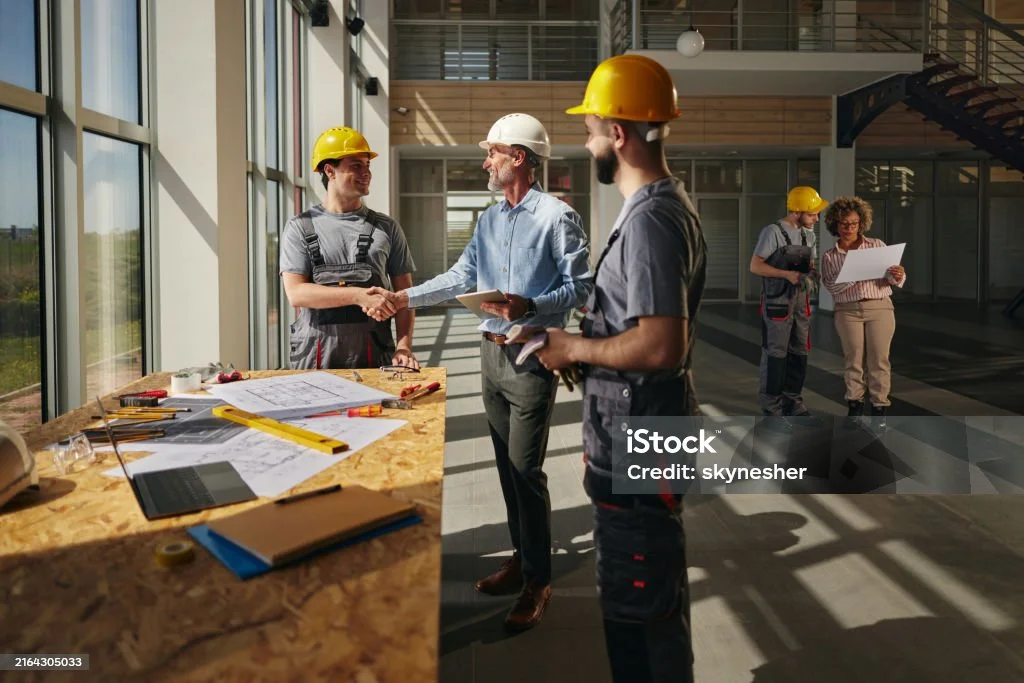
Interior Design & Space Planning
A professional field that focuses on designing functional and aesthetic indoor spaces using creativity and technical tools.
- Focus Area: Space planning, CAD design, aesthetics
- Best For: Design & architecture-minded students
- Career Options: Interior Designer, Space Planner
Why Students Feel Confused After 12th
After 12th, most students suddenly feel a lot of pressure. Some are asked to choose a “perfect career”, while others start comparing themselves with friends or relatives. This creates confusion instead of clarity.
The real issue is not lack of options. In fact, there are too many options today. The problem is that most students don’t get proper guidance on how to think about their future in a practical way.
At this stage, emotions and pressure often influence decisions more than actual interest. That is why many students later feel they chose the wrong path.
Skill vs Degree: What Matters More in Today’s Job Market (Update)
The job market in 2027 is changing faster than ever. Companies now focus more on practical ability, real project experience, and adaptability. Degrees are still important, but skills have become equally powerful in many industries. Below is a deeper and updated comparison to help students understand the real situation clearly.
Final Insight: In 2027, the smartest students are not choosing between skill or degree — they are combining both. A degree gives structure and stability, while skills provide real earning power and flexibility.
What Actually Makes a Good Career Today
A good career is not only about salary or popularity. It is about doing work that you can continue without feeling forced every single day.
Many students think success means only a high-paying job. But in reality, long-term satisfaction comes when you have both interest and skills in your work.
If a person is not interested in their field, even a high salary can start feeling stressful after some time.
That is why modern careers focus more on skills, consistency, and adaptability rather than just degrees.
Why Skills Are More Important Than Just a Degree
In today’s world, companies and clients look for what you can actually do, not just what you studied.
For example, someone with strong digital marketing or writing skills can earn more than a person with only a degree but no practical experience.
Skills help you become independent. You can work in jobs, start freelancing, or even build your own business.
That is why students should focus on learning real-world skills along with education.
How to Choose the Right Career Step by Step
Choosing a career should never be rushed. It needs observation, patience, and self-understanding.
Start by understanding yourself — what type of work attracts you more: creative, technical, or communication-based.
Then explore that field for a few days. Watch videos, read simple guides, and try small practical tasks.
If you feel even slight interest, continue exploring. If not, switch to another field.
This simple method helps avoid wrong decisions and confusion.
Common Mistakes Students Should Avoid
Many career problems happen because of simple but serious mistakes that students make after 12th.
One major mistake is choosing a course just because friends are choosing it or because it seems popular.
Another mistake is believing “guaranteed job” claims without understanding the actual skill required.
Many students also ignore practical learning and only focus on theory, which limits their growth later.
How to Think About Career Options Smartly
Instead of directly searching for “best course”, students should first understand the type of work they enjoy.
Some people enjoy creative work like designing, writing, or photography. Others prefer technical or analytical work.
Once you understand your interest, choosing a course becomes much easier and more natural.
This approach is more effective than blindly following trends.
Real-Life Example: How Career Confusion Actually Happens
Pros & Cons of Skill-Based Careers After 12th (Reality)
Aaj ke time me bahut students traditional degree ke saath-saath skill-based careers ki taraf bhi move kar rahe hain. Reason simple hai — digital world fast grow ho raha hai aur companies practical skills ko zyada importance dene lagi hain.
Lekin har career path ki tarah skill-based careers ke bhi advantages aur challenges dono hote hain. Isliye kisi bhi course ko choose karne se pehle uski real reality samajhna important hai.
Advantages (Why Students Prefer Skill Courses)
- Early Career Start: Traditional degree me usually 3–4 years lagte hain, lekin skill courses me students comparatively jaldi practical work start kar sakte hain.
- Practical Learning: Yahan focus sirf theory par nahi hota. Students real tools, projects, aur industry-based learning experience karte hain.
- Freelancing Opportunities: Content writing, digital marketing, editing, design jaise fields me students ghar se bhi kaam kar sakte hain.
- Lower Investment: Many skill courses ka cost traditional college education se kaafi kam hota hai.
- Growing Digital Demand: Businesses online shift ho rahe hain, isliye digital skills ki demand continuously increase ho rahi hai.
- Multiple Career Options: Students jobs, freelancing, internships, remote work, ya even personal business explore kar sakte hain.
Challenges & Important Reality Check
- No Instant Success: Short course complete karne ke baad immediate high income milna guaranteed nahi hota.
- High Competition: Online learning easy hone ki wajah se competition bhi kaafi increase ho chuka hai.
- Consistency Important Hai: Skill-based careers me regular practice aur self-learning bahut important hota hai.
- Initial Income Low Ho Sakti Hai: Starting stage me students ko small projects ya beginner-level opportunities milti hain.
- Continuous Learning Required: AI tools aur digital industries fast change ho rahi hain, isliye updated rehna zaruri hai.
- Certificates Alone Enough Nahi: Aaj companies practical skills aur portfolio ko certificates se zyada importance deti hain.
Final Insight: Skill-based careers students ko flexibility aur modern opportunities dete hain, lekin long-term growth sirf unhi students ko milti hai jo consistency aur practical learning par focus karte hain.
Expected Salary & Income Growth in Skill Careers (India)
12th ke baad almost har student ka ek common question hota hai — “Is field me earning kitni ho sakti hai?”
Reality ye hai ki skill-based careers me income fixed nahi hoti. Aapki earning mostly depend karti hai:
- Practical skills par
- Experience par
- Communication ability par
- Portfolio quality par
- Consistency par
Important Reality: Skill careers me fast growth possible hai, lekin sirf un students ke liye jo continuously improve karte rehte hain aur sirf certificates collect nahi karte.
Digital economy, AI tools, online business, content creation, aur creative industries future me bhi strong growth areas rehne wale hain.
Who Should Choose Skill-Based Courses After 12th?
Har student ka learning style different hota hai. Kuch students theory-based education me comfortable feel karte hain, jabki kuch students practical learning aur hands-on work me zyada interest lete hain.
Skill-based learning un students ke liye better ho sakti hai jo modern digital careers explore karna chahte hain aur practical skills develop karna prefer karte hain.
Students Who May Benefit From Skill Learning
- Students jo practical work theory se zyada enjoy karte hain.
- Students interested in freelancing, remote jobs, ya online work.
- Creative students jo writing, editing, designing, photography ya content creation pasand karte hain.
- Students jo early work experience gain karna chahte hain.
- Students jo new digital tools aur AI technologies learn karne me interested hain.
- Students jo flexible career options explore karna chahte hain.
- Students jo self-learning aur independent practice me comfortable hain.
Students Who Should Think Carefully
- Students jo instant success ya guaranteed income expect karte hain.
- Students jo regular practice aur continuous learning avoid karte hain.
- Students jo sirf certificates collect karna chahte hain without practical improvement.
- Students jo sirf social media trends dekhkar course choose kar rahe hain.
- Students jo independent learning me interest nahi rakhte.
Final Thought: Koi bhi course tabhi valuable banta hai jab wo aapke interest, learning style, aur long-term consistency ke saath match kare. Isliye trend follow karne ke instead pehle khud ko samajhna zyada important hai.
Why Skill-Based Careers Are Growing Fast in 2027
The career world is changing much faster than before. A few years ago, most students believed that only traditional degrees could provide stable careers. But today, companies and businesses are focusing more on practical skills and real work ability.
As businesses move online, the demand for digital and creative skills is increasing rapidly. Skills related to content creation, digital marketing, editing, designing, communication, and online business are becoming more valuable in many industries.
Another major reason behind this growth is technology and AI tools. Instead of replacing all jobs, modern technology is changing how people work. Students who learn how to use tools smartly along with practical skills may have better opportunities in the future.
In today’s market, adaptability matters a lot. Students who continuously improve their skills, stay updated, and practice regularly usually grow much faster compared to those who depend only on certificates.
This is why many students now prefer learning practical skills along with education instead of relying on only one traditional path.
Common Mistakes Students Make After 12th
After completing 12th, many students feel pressure to make quick career decisions. Because of this pressure, they often make choices without properly understanding themselves or the career field.
One of the biggest mistakes is choosing a course only because friends are selecting it or because it is trending on social media. What works for one person may not work for another.
Another common mistake is expecting fast success from short-term courses. Many students think that simply completing a course will automatically guarantee income or jobs. In reality, practical skills and consistency matter much more than course certificates.
Some students also spend too much time watching tutorials without practicing anything in real life. Learning without implementation usually creates confusion instead of confidence.
Frequent career switching is another problem. Many students leave a field too early before giving themselves enough time to improve.
The students who usually grow successfully are not always the most talented ones. Most successful students are simply those who stay patient, keep learning, and improve step by step.
Understanding Real Career Growth (Not Social Media Version)
Real career growth is never instant. Every profession takes time to develop through practice, mistakes, and continuous learning. There is no shortcut that replaces consistent effort.
On social media, success often looks very quick and easy. You usually see final results, not the months of struggle, learning, and improvement behind them. This creates a false expectation for many students.
Whether it is content writing, digital marketing, photography, or any other skill-based field, real progress always happens step by step. Skills improve gradually, not overnight.
In the early stage, it is normal to face confusion, slow results, or lack of confidence. These challenges are part of the learning process, not a sign of failure.
The key difference between average and successful learners is consistency. Those who keep practicing and improving slowly build stronger and more stable careers over time.
Let’s understand this with a simple real-life situation. Many students after 12th don’t clearly know what they want to do. One common case is when a student chooses a course just because friends are joining the same field or because it is trending at that time.
For example, a student may join a traditional degree or a popular course without checking whether they actually enjoy the subject. In the beginning everything feels normal, but after a few months, interest starts reducing because the choice was not based on personal understanding.
Later, some students realize that they are not happy in that field and start looking for alternatives like digital skills, freelancing, or short-term job-oriented courses. This is where real confusion increases.
This example shows that career decisions should not be emotional or pressure-based. They should be based on interest, understanding, and practical exposure before making a final decision.
Step-by-Step Career Roadmap After 12th (Simple Method)
If you are confused after 12th, you don’t need to rush. A better approach is to follow a step-by-step process that helps you understand your interest before making a final decision.
First, start by observing what kind of work attracts you naturally. Some students prefer creative tasks, while others enjoy logical or technical work.
After that, explore basic information about that field using free resources like YouTube, blogs, or short online courses. This helps you understand whether you actually enjoy it or not.
Next, try small practice tasks instead of only reading theory. Real experience gives a clearer idea than just information.
Finally, once you feel confident, choose a proper course or learning path and focus on building consistency rather than switching frequently.
Final Reality Check Before Choosing Any Career
There is no perfect course or career that guarantees instant success. Every field requires time, effort, and continuous learning.
In today’s world, social media often shows only success stories, but the real journey includes confusion, mistakes, and slow progress in the beginning.
Whether you choose content writing, digital marketing, photography, design, or any other skill-based field, growth always happens step by step.
Students who succeed are not those who never fail, but those who keep improving and stay consistent even when results are slow.
So instead of rushing into decisions, focus on understanding yourself, building real skills, and improving daily.
Modern Career Option: Freelancing & Online Work
In today’s digital world, freelancing has become a real career option for many students. It allows you to work from home and earn based on your skills instead of fixed job timings.
Skills like content writing, graphic design, social media management, and video editing are in high demand across online platforms. Even beginners can start small projects and gradually improve.
The best part is that freelancing does not always require a formal degree. What matters most is your ability to deliver quality work.
However, it is important to understand that freelancing is not instant success. It requires practice, patience, and continuous learning just like any other career.
Clear Mindset Check: Before You Decide Your Career Path
Most students after 12th feel pressure to quickly choose a “perfect” career. But in reality, there is no single perfect path that works for everyone. Every field requires time, practice, and patience to grow.
Instead of jumping from one option to another, successful students usually focus on building clarity step by step. They explore, test their interest, and then commit to one direction.
Confusion at this stage is completely normal. The real difference is how you respond to that confusion — whether you panic or start learning about yourself and available options.
A strong career is not built by rushing decisions, but by developing a clear mindset, small consistent learning, and real-world exposure over time.
About the Author
This article is written by Aarti Singh (Career Guide Team), a group focused on helping students after 12th understand real career options, skill-based learning, and practical job opportunities in India.
Our goal is to provide simple, honest, and practical guidance so students can make better career decisions without confusion or pressure.
We research modern job trends, skill-based careers, and industry demands to keep this guide updated and useful.
Why Trust This Guide?
This guide is created after analyzing current career trends, student challenges, and industry requirements in 2027.
We do not promote fake promises like “guaranteed jobs” or “instant success”. Instead, we focus on realistic expectations and skill-based growth.
The information is written in simple language so every student can understand and make better decisions after 12th.
Our content is regularly updated to match real-world career changes, especially in digital and freelancing fields.
Frequently Asked Questions (FAQ)
1. Are diploma courses after 12th worth it?
Yes. Diploma and skill-based courses can be a good option for students who want practical training and faster entry into the job market. They are generally shorter than degree programs and focus on industry-relevant skills. However, the right choice depends on your career goals, preferred industry, and long-term plans.
2. Can I get a job after skill-based courses?
Yes. Many industries such as digital marketing, graphic design, content writing, web development, hospitality, media, and customer support recruit candidates based on practical skills. Building a portfolio, completing internships, and earning certifications can further improve your job opportunities.
3. Which course is best for freelancing?
Content writing, digital marketing, graphic design, video editing, social media management, photography, and UI/UX design are among the most popular freelancing careers. These fields allow students to work with clients across India and internationally while gaining practical experience.
4. Do these courses require a Science or Commerce background?
No. Most diploma and skill-development courses are open to students from all streams, including Arts. Admission requirements may vary depending on the institute, so always check the official eligibility criteria before applying.
5. Which course offers the highest salary after 12th Arts?
There is no single course that guarantees the highest salary. Income depends on your skills, experience, specialization, and industry demand. Fields such as law, digital marketing, media, psychology, design, and data-driven creative roles offer strong long-term earning potential for skilled professionals.
6. Can Arts students pursue government jobs after these courses?
Yes. Arts students can prepare for various government examinations such as UPSC, SSC, State PCS, Banking, Railway, and Defence recruitment while pursuing graduation or after completing their studies. Choosing the right course along with consistent exam preparation can improve career opportunities.
7. How should I choose the right course after 12th Arts?
Before selecting any course, evaluate your interests, strengths, career goals, budget, future job demand, and opportunities for higher education. It is also helpful to compare course curriculum, internships, placement support, and industry relevance before making a final decision.
8. Is a degree better than a diploma after 12th Arts?
Both have their own advantages. A degree is generally more suitable for higher education, competitive examinations, and long-term academic growth, while a diploma focuses on practical skills and quicker employment. The better option depends on your career objectives and learning preferences.